Book Appointment Now

Are You Suitable For Ear Wax Removal?
Understanding whether you are suitable for ear wax removal is essential for safe and effective treatment. This guide outlines key considerations to help you decide when ear wax removal is appropriate and when to seek medical advice.
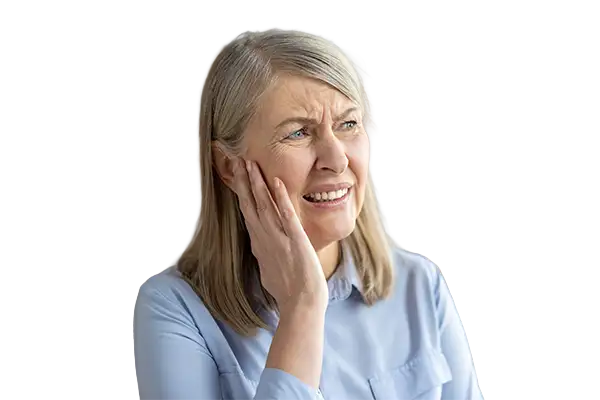
When Ear Wax Removal Is Safe to Proceed
It’s generally safe to proceed with ear wax removal when the ear canal and eardrum are healthy, there are no signs of infection, and the wax itself is suitable for the chosen method. After an ear examination confirms that the eardrum is intact, there is no inflammation, discharge, or recent history of ear surgery or perforation, treatment can go ahead confidently.
Softened wax is usually safe to remove with irrigation, while hard or impacted wax is better suited to microsuction, which is safe for a wider range of ear conditions. As long as the assessment shows a clear, healthy ear canal and the method matches the type of wax present, ear wax removal can be carried out safely and effectively.
Ear wax removal is generally safe if you do not have any of the conditions listed below. Proceeding with treatment can help maintain ear health and comfort. You can also check the NHS guidance, here to see if you are suitable for ear wax removal.
Conditions That Prevent All Types of Ear Wax Removal
Certain medical conditions or symptoms mean you are not suitable for ear wax removal and should be postponed or avoided. These include:
Presence of foreign objects in the ear
Recent ear surgery (within 90 days) or surgery involving the middle ear
Current or recent middle ear infections (within 6 weeks)
Active outer ear infections or acute otitis externa with swelling and pain
Mucus discharge from the ear in the past year
Active skin conditions like eczema or psoriasis causing irritation or discharge
Ear canal abrasions or inflammation within the last 90 days
Abnormal growths such as polyps
Significant unexplained ear pain
Cognitive issues affecting cooperation
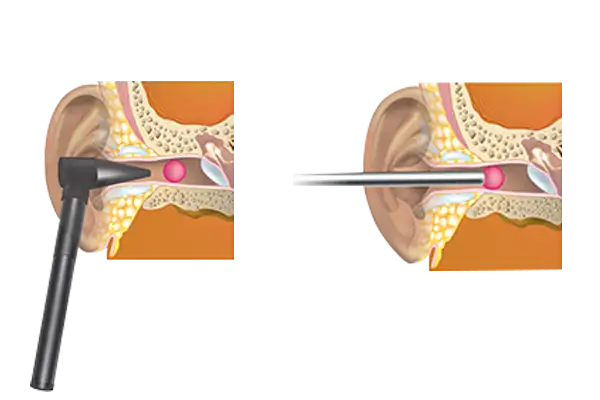
When Irrigation Should Be Avoided but Other Methods May Be Used
Ear irrigation should be avoided whenever there is any risk that introducing water into the ear could cause harm or worsen an existing condition. It isn’t suitable for people with a perforated eardrum, a history of ear surgery, grommets, or ongoing ear infections, as water entering the middle ear can lead to pain, dizziness or further infection.
It should also be avoided if there is active discharge, inflammation, or if the ear canal is very narrow or sensitive. Hard, dry or impacted wax is another reason to avoid irrigation, as forcing water against compacted wax can be uncomfortable and ineffective. In these situations, a dry method such as microsuction is usually the safer and more appropriate option, but may also not be suitable for ear wax removal.
Irrigation is not recommended if you have:
Cleft palate (even if repaired)
Perforated or recently healed eardrum (within 90 days)
Grommet in place or recently removed
Vertigo or tinnitus worsened by noise
Hearing in only one ear that requires treatment
In these cases, manual extraction or suction may be safer alternatives.
Unsure if You Are Suitable For Ear Wax Removal?
If you’re unsure whether you’re suitable for ear wax removal, Clear Hearing NI is here to guide you with reassurance and clarity.
Requesting a callback from one of our healthcare professionals allows us to carry out a quick assessment and determine the safest, most effective approach for your ears.
A proper evaluation ensures that any earwax removal is tailored to your individual needs, taking into account your medical history, symptoms, and comfort. Maintaining good ear health is essential, and choosing the right method of wax removal plays a key role in protecting both your hearing and overall wellbeing.