Book Appointment Now

What Causes Excessive Earwax?
Earwax is one of those things we rarely think about until it becomes a problem. For most people, it quietly does its job protecting the ear canal, trapping dust, and keeping the skin inside the ear healthy. But when there’s too much of it, discomfort quickly follows. Blocked ears, muffled hearing, itching, and even dizziness can all stem from a simple buildup. So, what causes excessive earwax, and why do some people seem more prone to it than others?
Understanding the reasons behind earwax overproduction helps you manage it safely and avoid habits that make the problem worse. While earwax is completely natural, the factors that influence its quantity are surprisingly varied.
The Role of Earwax and Why It Sometimes Builds Up
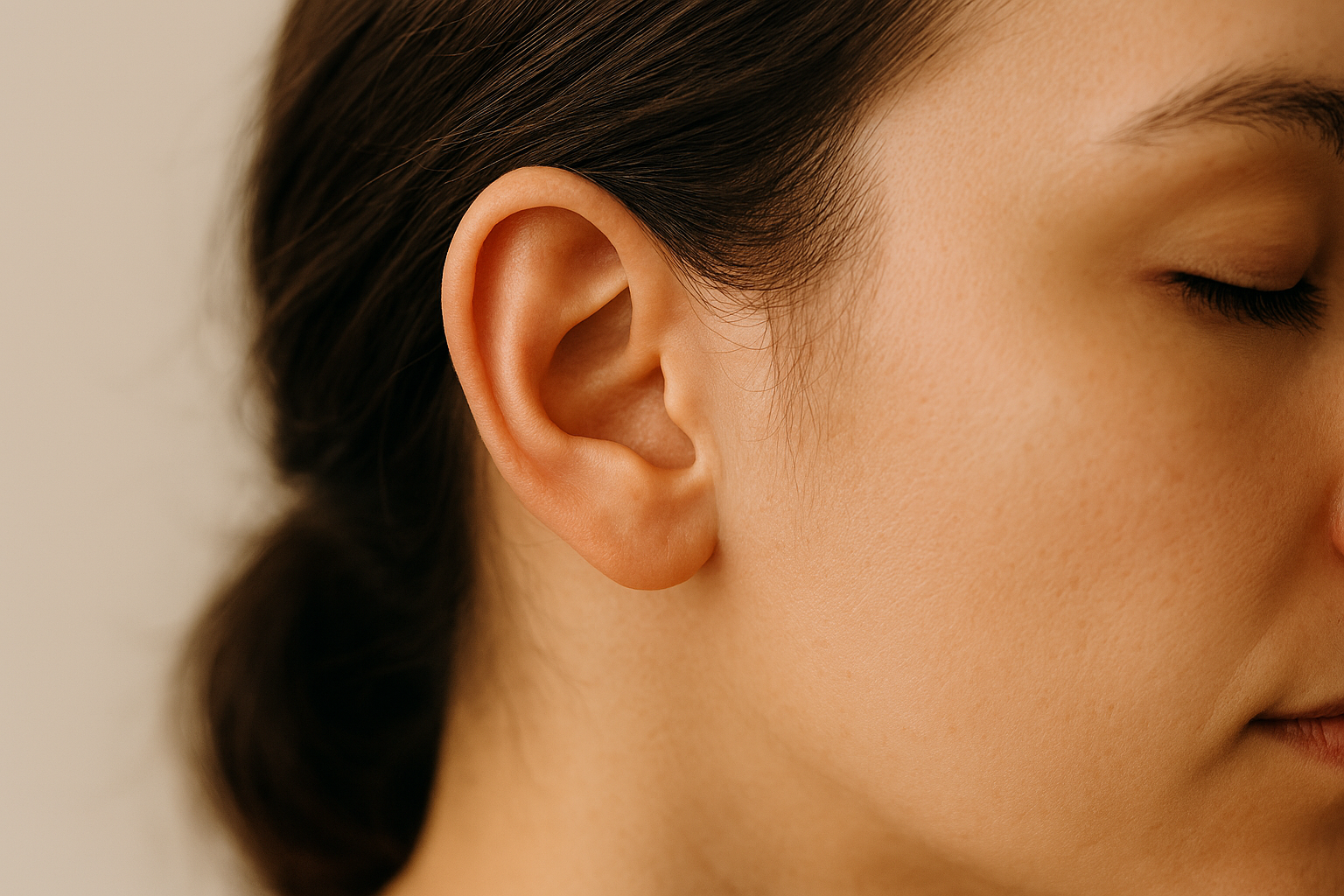
Earwax, or cerumen, is produced by glands in the ear canal. Its purpose is protective: it moisturises the skin, prevents infections, and traps debris before it reaches the eardrum. Normally, the ear is self-cleaning. Movements of the jaw, talking, chewing, and yawning help shift old wax outward, where it dries and falls away.
Excessive earwax happens when this natural process is disrupted. Either the body produces more wax than it needs, or the wax can’t move out of the ear properly. When that happens, it compacts, hardens, and becomes difficult to remove without professional help. Regular earwax checks are advised if you find your ears get blocked.
Genetics and Natural Overproduction
One of the most common answers to the question of what causes excessive earwax is simply genetics. Some people naturally produce more cerumen than others. The consistency of your earwax, whether it’s dry, sticky, soft, or dense, is also genetically influenced. People with naturally sticky or wet wax are more likely to experience blockages because the wax doesn’t migrate as easily.
Age plays a role too. As we get older, earwax tends to become drier and harder, making it more likely to accumulate. The glands in the ear canal can also become more active with age, leading to increased production.
Ear Canal Shape and Structural Factors
The structure of your ear canal can significantly affect how well earwax moves. Narrow, curved, or hairy ear canals trap wax more easily. Even a slight bend can slow the natural migration process, allowing wax to build up over time.
People who use hearing aids, earplugs, or in-ear headphones often experience more wax buildup because these devices physically block the ear canal. They push wax deeper, compacting it and preventing it from exiting naturally. This is one of the most overlooked causes of excessive earwax, especially in younger people who use earbuds daily.
Skin Conditions and Inflammation
Skin conditions such as eczema, psoriasis, or dermatitis can affect the ear canal. When the skin becomes dry or inflamed, the glands may respond by producing more wax. Flaking skin can also mix with cerumen, creating thicker, stickier buildup that’s harder for the ear to clear.
Even mild irritation from hair products, swimming, or frequent cleaning can trigger the glands to produce more wax as a protective response.
Overcleaning: A Major Hidden Cause
Ironically, one of the biggest causes of excessive earwax is trying too hard to remove it. Cotton buds, hairpins, and other objects push wax deeper into the canal, compacting it against the eardrum. This not only leads to blockages but can also cause micro-injuries that stimulate the glands to produce even more wax.
The ear is designed to clean itself. When we interfere, we disrupt the natural process and create the very problem we’re trying to avoid.
Environmental Factors That Increase Earwax Production
Your surroundings can influence how much earwax your body produces. Dusty workplaces, exposure to pollution, or environments with fluctuating temperatures can all trigger the glands to work harder. The ear responds to irritants by producing more wax as a protective barrier.
Swimmers may also notice more wax buildup. Water entering the ear can cause the wax to swell, making it harder for it to move outward. This can lead to a cycle of moisture, irritation, and increased production.
Stress and Hormonal Changes
Although less commonly discussed, stress and hormonal fluctuations can affect the body’s secretions, including earwax. During periods of high stress, the body’s glands can become more active. Similarly, hormonal changes during pregnancy, menopause, or puberty may influence wax production.
When Excessive Earwax Becomes a Problem
Most of the time, earwax buildup is harmless, but when it becomes excessive, symptoms can appear gradually or suddenly. These may include:
- A feeling of fullness in the ear
- Muffled or reduced hearing
- Itching or irritation
- Tinnitus (ringing in the ear)
- Dizziness or imbalance
These symptoms don’t always mean something serious is wrong, but they do indicate that the wax has accumulated enough to interfere with normal ear function.
Safe Ways to Manage Excessive Earwax
Understanding what causes excessive earwax is the first step. The next is knowing how to manage it safely. Avoid inserting anything into the ear canal. Instead, use softening drops or seek professional earwax removal. Modern methods such as microsuction are safe, quick, and effective.
If you use hearing aids or earbuds regularly, cleaning them frequently and giving your ears breaks can help reduce buildup. For those with skin conditions, managing inflammation can also make a significant difference. You can also check the NICE guidance here if you are unsure.
Final Thoughts
Excessive earwax is incredibly common, and in most cases, it’s simply the result of natural variations in the body’s production or the structure of the ear canal. Genetics, age, devices like earbuds, skin conditions, and even stress can all contribute. By understanding what causes excessive earwax, you can take steps to prevent blockages and keep your ears healthy without resorting to unsafe cleaning habits.
Newsletter Updates
Enter your email address below and subscribe to our newsletter